
Construction Disputes
Construction disputes are often both contract problems and consumer-protection problems. We represent homeowners when a contractor takes deposits and stalls, performs defective work, misrepresents qualifications, or leaves a project in worse shape than it started.
When a Construction Project Turns Into a Consumer Case
Homeowners usually call after the project has already gone off the rails: the contractor has been paid but stopped showing up, the workmanship is visibly defective, the price keeps climbing without approval, or the job was never properly staffed or permitted.
Those facts are not always just a breach-of-contract dispute. In the right case, they also amount to unfair or deceptive conduct under state consumer-protection law, which can create leverage beyond simple repair-cost damages.
We represent homeowners, not contractors. Our job is to sort out what went wrong, what can be proved, and whether the best path is a demand, a negotiated resolution, or litigation.
How We Help
Contractor Disputes
We handle disputes with general contractors, subcontractors, and specialty tradespeople. Whether your contractor abandoned the project mid-construction, performed unauthorized work, exceeded the estimate without approval, or failed to obtain required permits, we pursue every available remedy. This includes breach of contract, breach of warranty, fraud, and claims under state consumer protection statutes that can result in treble damages.
Defective Workmanship
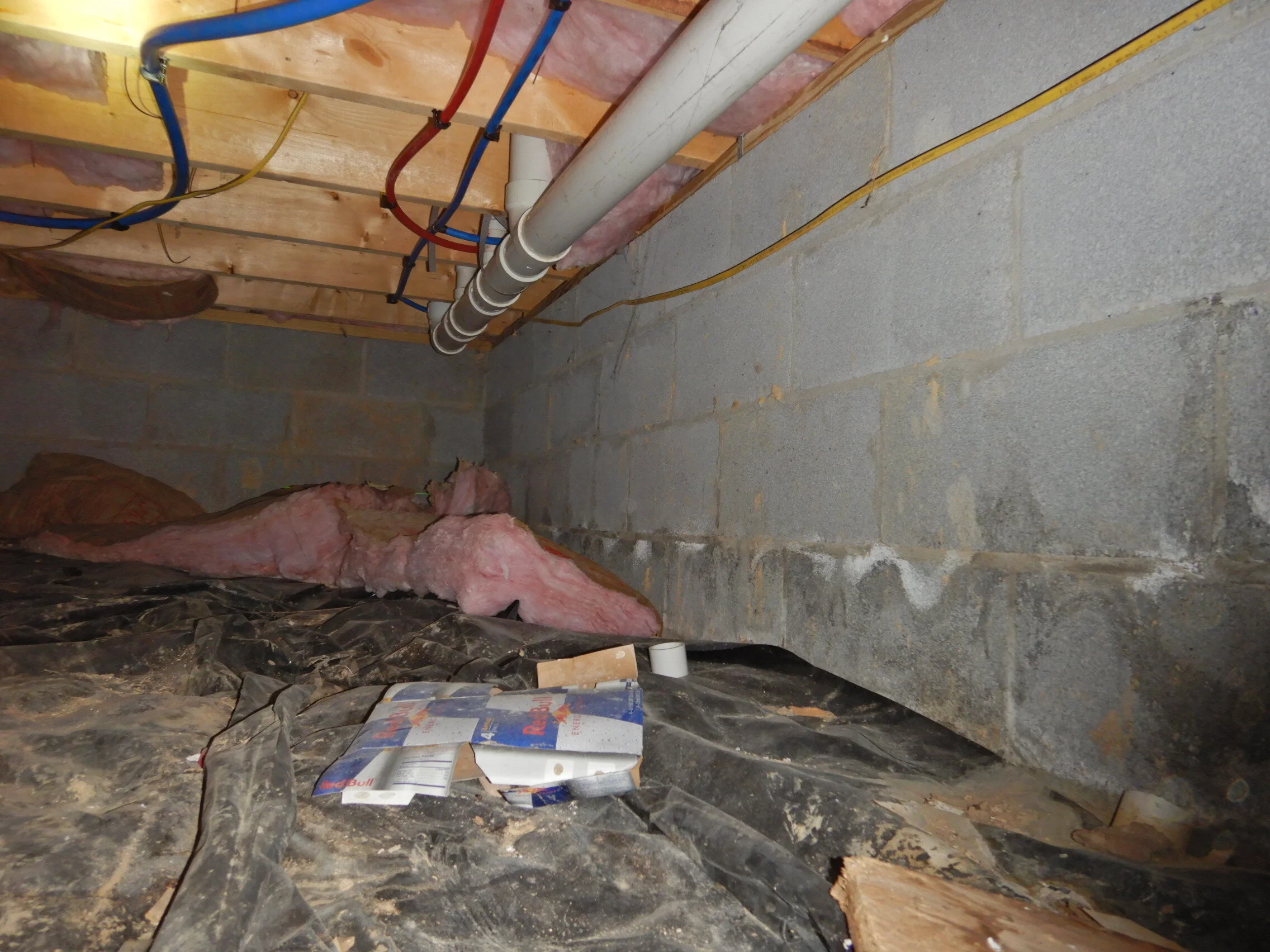
Construction defects can range from cosmetic issues to serious structural problems that compromise the safety of your home. We handle claims involving faulty foundations, roof leaks, inadequate waterproofing, plumbing failures, electrical code violations, improperly installed siding, and other workmanship defects. We work with licensed inspectors and engineers to document the defects and quantify the cost of remediation.
Payment Disputes
Payment disputes arise when contractors demand payment for work not completed, overcharge for materials, pad invoices, or refuse to account for how your money was spent. We also represent homeowners who paid a deposit for work that was never started or who made progress payments for work that was not actually completed to the claimed percentage. We pursue recovery of overpayments and damages for project delays.
Mechanic's Lien Defense
A mechanic's lien is a legal claim a contractor or subcontractor can place on your property for alleged unpaid work. An improper or invalid lien can prevent you from selling or refinancing your home. We defend homeowners against unjust mechanic's liens, challenge liens that do not comply with statutory requirements, and pursue claims for damages caused by wrongful liens including slander of title.
West Virginia, North Carolina, and Washington Construction Law
West Virginia provides strong consumer protection remedies for homeowners in construction disputes. The West Virginia Consumer Credit and Protection Act (WVCCPA), W. Va. Code § 46A-6-101 et seq., prohibits unfair and deceptive acts and practices in consumer transactions, including construction and home improvement contracts. Violations can result in actual damages, civil penalties, and attorney fees. WV also requires certain contractors to be licensed and carries criminal penalties for performing contracting work without proper licensure.
West Virginia's mechanic's lien statute, W. Va. Code § 38-2-1 et seq., allows contractors, subcontractors, and material suppliers to file liens against property for unpaid work. However, the statute has strict requirements for notice, timing, and content. A lien that does not comply with these requirements may be invalid and subject to removal. The homeowner may also have a claim for slander of title if the lien was filed in bad faith.
North Carolina's Unfair and Deceptive Trade Practices Act (NCUDTPA), N.C. Gen. Stat. § 75-1.1, provides treble (triple) damages for unfair or deceptive acts in commerce, making it one of the most powerful consumer protection tools in the country. NC courts have consistently held that contractor fraud, material misrepresentations about qualifications, failure to complete contracted work, and use of substandard materials can constitute UDTP violations. NC also has specific statutes governing contractor licensing (General Contractors Licensing Board) and home improvement warranties.
Washington homeowners may have claims under the Washington Consumer Protection Act (CPA), contractor registration laws, and related contract and tort doctrines when contractors engage in deceptive conduct or materially deficient work. Washington's lien framework also has strict timing and notice requirements, and invalid liens can often be challenged and removed.
Across all three states, we leverage consumer protection statutes alongside traditional contract and tort claims to maximize our clients' recovery. The availability of enhanced damages and attorney-fee shifting in many of these statutes can make it economically feasible to pursue construction claims that would otherwise be too costly to litigate.
Signs You May Need Our Help
- Your contractor took a large deposit and disappeared or stopped returning calls
- The finished work has visible defects or does not meet the specifications agreed upon
- An independent inspector found structural problems, code violations, or substandard materials
- The project cost has ballooned far beyond the original estimate without your approval
- A contractor or subcontractor has filed a mechanic's lien on your property
- Your contractor was not properly licensed for the work they performed
- Work was done without proper permits and now you are facing code enforcement issues
- Water intrusion, foundation issues, or other defects appeared after the project was "completed"
Frequently Asked Questions
What is the difference between a breach of contract claim and a consumer protection claim?
Do I need an inspection or engineer's report before contacting you?
A subcontractor filed a mechanic's lien on my house even though I paid the general contractor. What can I do?
How long do I have to file a construction dispute claim?
What should I do right now to protect my case?
Your Home Deserves Better
If a contractor has left you with unfinished work, structural defects, or an empty bank account, we can help you fight back. Call us today for a free consultation.